We are laughing wholeheartedly when, almost without thinking, the words slip out: “Let’s hope it turns out well!” As though we need to apologise to fate for allowing ourselves to feel happy.
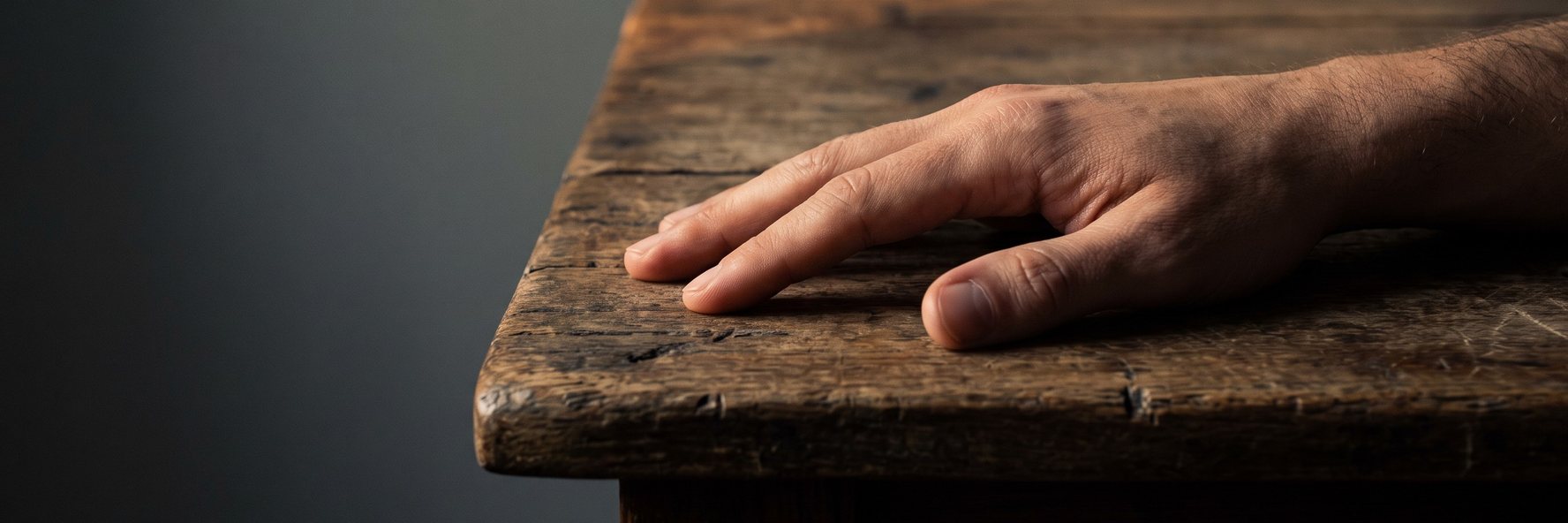
“Don’t laugh too much, or you’ll end up crying.” “Don’t tempt fate.” “Touch wood.”
These are familiar expressions, woven into everyday life. Sometimes, they are simply habits of speech. At other times, however, they may reveal a deeper fear we do not always recognise: the fear that happiness will not last, that something unpleasant will follow, or that life will somehow take back what it has given us.
Why is it, then, that we sometimes find it so difficult to enjoy a happy moment without holding something back?
When we have experienced loss or disappointment, we may become accustomed to anticipating things going wrong, even when life is going well. We begin to brace ourselves for pain, almost as though keeping our happiness in check might soften the blow if things fall apart. In this way, happiness becomes more than a pleasurable experience; it starts to feel fragile, something we must be careful not to get too attached to.
Often, beneath this fear lies a difficulty with uncertainty. We want to know that the people we love will remain by our side, that what is going well will continue to do so. Yet life offers no such guarantees. And when we struggle to accept this, we may look for ways to feel that we have some control over what cannot be predicted.
We turn, then, to our small rituals: touching wood, holding back our excitement, trying to ward off misfortune through words and wishes. For a moment, these gestures may make us feel safer, as though we have somehow kept danger at bay. But symbolic acts of protection cannot guarantee what the future holds.
Of course, saying “Let’s hope it turns out well” does not necessarily mean that we are afraid of happiness. The important question is whether it is simply an expression of hope, or whether it reflects a deeper belief that we must restrain our happiness to prevent something bad from happening.
We cannot control tomorrow. But we can choose not to deprive ourselves of the happiness available to us today.
Happiness is not a reward reserved for those who have secured a trouble-free future. It is something we are entitled to experience, even when we do not know what lies ahead. We do not need to be free of all fear before we allow ourselves to feel joy; we need to stop letting fear make that decision for us.
So, the next time we find ourselves laughing and saying, “Let’s hope it turns out well”, perhaps let it be an expression of hope rather than fear.
Let happiness have its moment. It has nothing to apologise for.