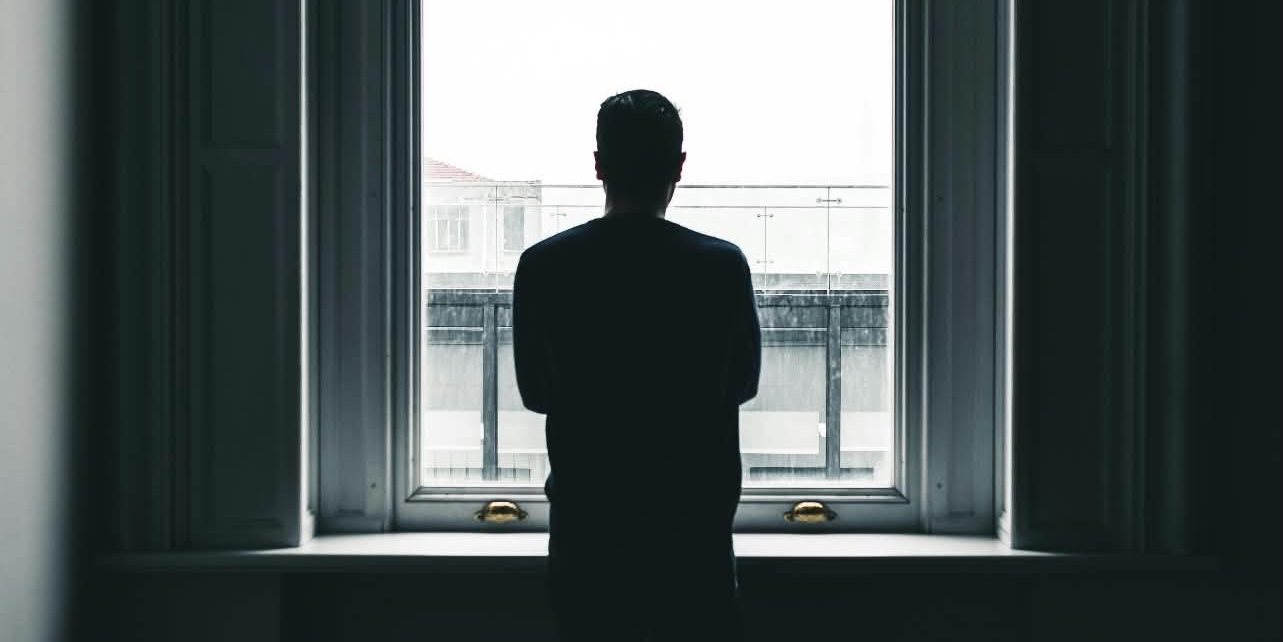
How often do we recognise that something in our lives is no longer good for us, yet struggle to change it? It might be a relationship that leaves us feeling hurt, a job that drains us, or a way of life that no longer feels true to who we are.
Why is taking that next step so difficult?
Often, it is not that we are happy with the way things are. It is simply that we have learnt how to live with them. We know where the difficulties lie, we understand what to expect, and even when things are far from ideal, we feel we can manage. The unknown, by contrast, raises questions to which there are no easy answers.
What if things get worse? What if we regret our decision? What if we cannot cope after all?
Psychological research suggests that uncertainty can heighten anxiety and influence the way we make decisions (Grupe & Nitschke, 2013; Carleton, 2016). At times, our desire to avoid an uncertain outcome can outweigh even our wish for something better.
Paradoxically, waiting until we feel ready can mean putting off a decision we have been considering for a long time. We tell ourselves that we will act when circumstances are more favourable, or when we feel more certain. Yet complete certainty rarely comes. And so, what begins as a temporary delay can gradually become a habit. In decision-making research, our tendency to stick with the way things are, even when alternatives are available, is known as status quo bias (Samuelson & Zeckhauser, 1988).
Of course, this does not mean that every change is necessary, or that fear should always be ignored. What matters is learning to recognise when fear is protecting us and when it is beginning to limit our choices.
Perhaps it is worth asking ourselves:
If uncertainty frightened us less, would we still be making the same choices we make today?
We do not need to know in advance how things will turn out before we allow ourselves to consider a different path. What matters is recognising when our need for security is pulling us away from the things that genuinely matter to us.
Because a true sense of security does not always lie in what we know. Sometimes, it lies in trusting ourselves to face what we have yet to discover.