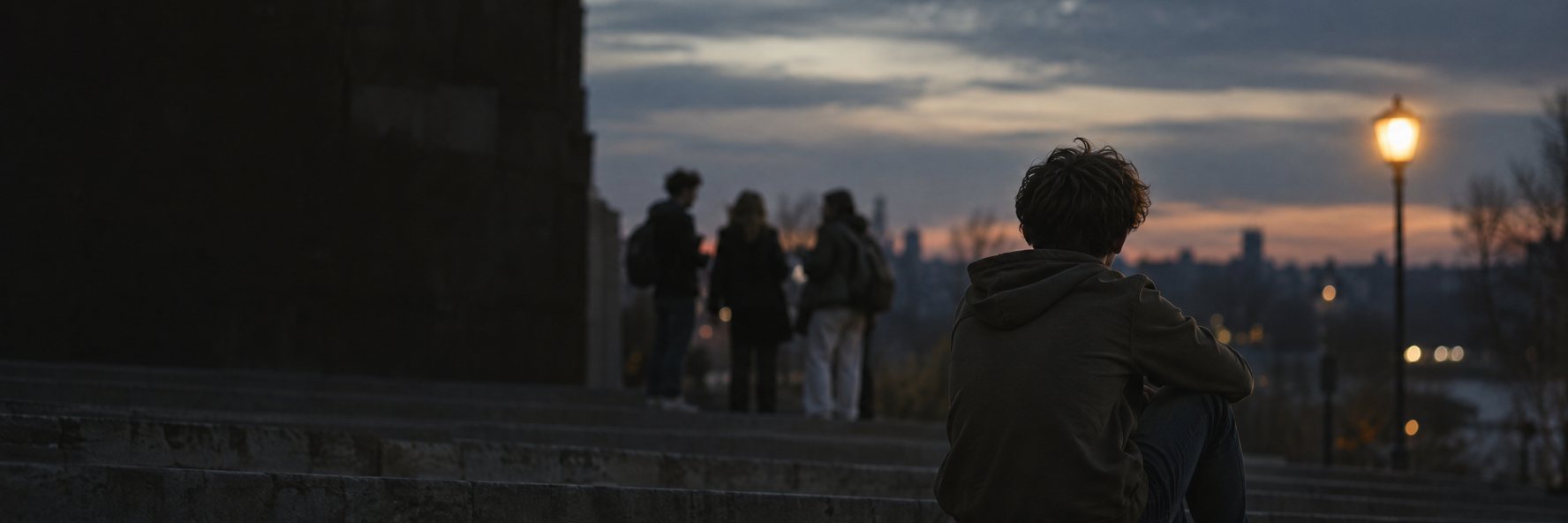

How does someone move from feeling outraged to acting violently? What might lie behind the urge to lash out, assert power or hurt someone else?
Anger can mask disappointment, insecurity, shame or the feeling that nobody takes us seriously. Sometimes, beneath the intensity, lies a need to be noticed, respected and to feel that we have a place in other people’s lives. These are human needs. They do not inevitably lead to violence, but they can help us understand what lies beneath it.
The Need to Belong
During adolescence, acceptance by peers takes on particular importance. A friendship group can offer companionship, recognition and the comfort of feeling that we are not alone. For a young person who has lacked emotional warmth at home, the group may come to mean even more: a place where they hope to find the care and acceptance they have been missing.
This need can have a profound influence on their choices. If acceptance depends on showing strength, humiliating others or taking part in violent acts, the fear of rejection may lead a young person to behave in ways they might otherwise reject. A group does more than offer a sense of belonging; it can also shape what is considered acceptable within it.
Love and Acceptance at Home
A child who receives the message, directly or indirectly, ‘I love you when you are the way I want you to be’ may learn to measure their worth by their obedience and other people’s approval.
For healthy psychological development, children need to know that their parents’ love and acceptance do not disappear because they make a mistake, disagree or disappoint them. This does not mean that anything goes. Boundaries are essential, but they should address a child’s behaviour, not their worth as a person.
A child who fears losing the acceptance of the people who matter most may later struggle to say no or stand up for their own views. They may constantly seek reassurance, or try to conceal their insecurity by asserting power over others. These are possible pathways, not predetermined outcomes.
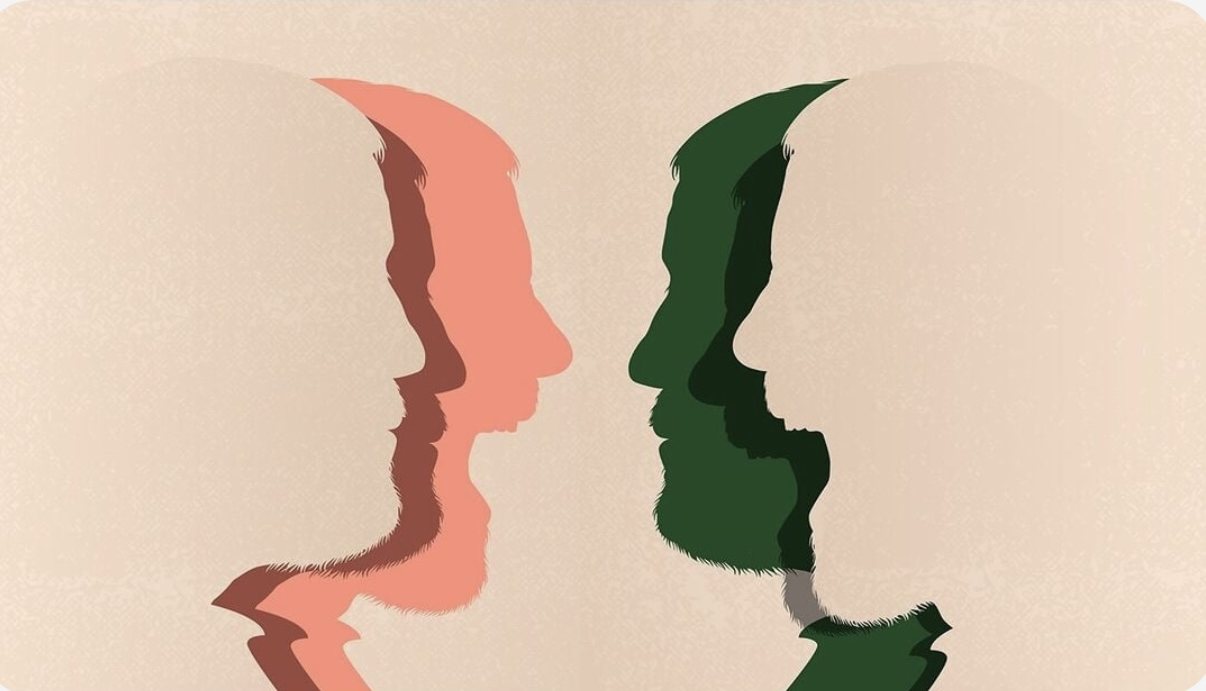
From Anger to Violence
Anger is a normal human emotion. It signals that something is hurting us, that we feel we are being treated unfairly or that our boundaries have been crossed. It can give us the strength to stand up for ourselves and seek change.
However, intense emotions and pressure from a group can make it harder to think clearly. This helps us understand how a young person might be drawn into an act they might not have chosen under different circumstances. Understanding the circumstances does not remove responsibility for behaviour. It allows us to see more clearly what needs to change if violence is to be prevented.
Prevention begins in our earliest relationships: with consistent love, clear boundaries and the security a child needs to express anger and disagreement without fearing that they will lose the love of those closest to them.
No young person should have to hurt someone else to feel powerful, or betray who they are to be accepted. Belonging has real value only when we can be part of something without losing respect for ourselves or for others.