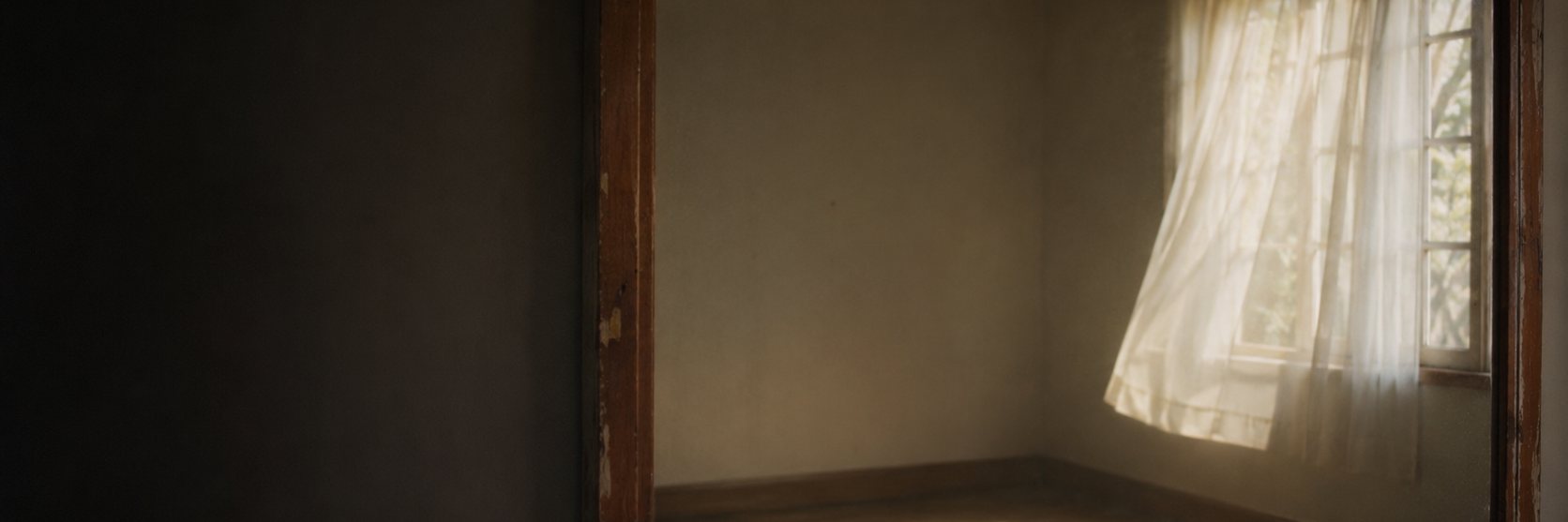

We can go through decades of life and still feel much the same person we have always been. We fall in love, make plans and look forward to what lies ahead. Then, one day, we catch sight of ourselves in the mirror, or notice a change in our body, and are reminded that time has been passing. It can leave us wondering: how can I still feel like the same person when the person I see in the mirror seems so different?
Our sense of who we are develops over time, giving us a feeling of continuity between the person we once were and the person we are today. Our memories, experiences and hopes all contribute to that sense of self. Yet our bodies can make the passage of time feel very real. This is about more than what we see in the mirror. It is also about how we move, how we experience touch and intimacy, how desire feels, and how we relate to other people. At times, our bodies can feel both familiar and strangely unfamiliar to us.
We do not simply observe these changes from the outside; we experience them from within. We may notice them in the way we move, in our breathing, in how quickly we tire, or in how comfortable we feel around others. Body psychotherapy invites us to pay attention to these physical experiences and to what they may be telling us, including those feelings we struggle to put into words.
The meaning we attach to physical changes matters, too. A wrinkle might come to represent the loss of our attractiveness. Finding that we have less stamina than we once did might feel like losing some of our independence. But there is a difference between what is happening to our bodies and what we come to believe it says about us. Not every change is a loss, and experiencing loss does not make us any less worthy.
Perhaps part of the difficulty lies in the gap between how we feel on the inside and what we see changing on the outside. We may still recognise ourselves as the same person, while our bodies remind us that life is moving on. Some expectations may need to change. Some physical changes may bring sadness, and it can take time to come to terms with them. Gradually, we can begin to distinguish between what has genuinely changed and what we fear we might be losing as a result. After all, our appearance tells only a small part of our story.
Our bodies change as we grow older. But we do not have to let every change become a reason to question who we are.